
The Creator Economy Levels Up: Why Brands Are Building Their Marketing Around Creators, Not Just Buying Ad Space
The relationship between brands and creators has fundamentally changed. What used to be a line item for "influencer posts" is now the engine room of brand strategy — and the numbers prove it.
6/20/20264 min read
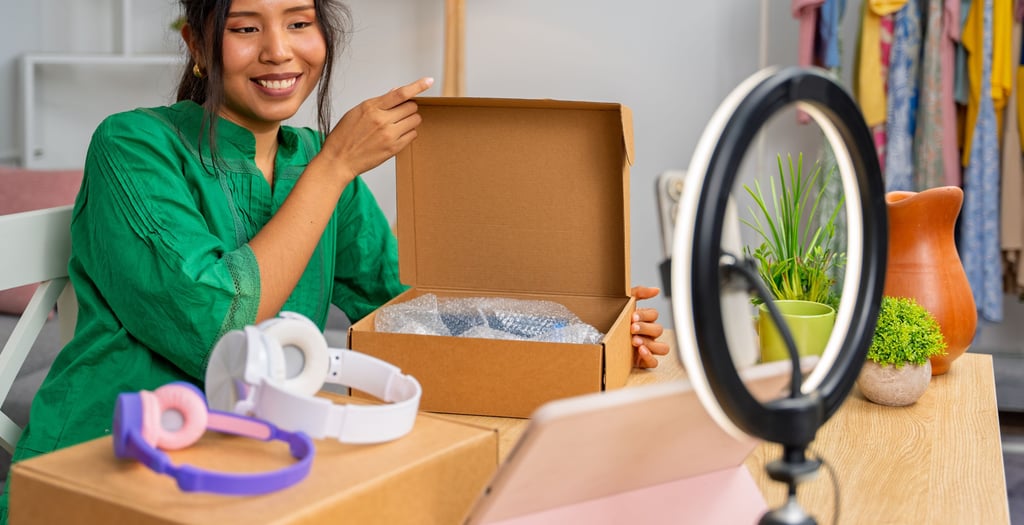

For years, "creator marketing" meant something narrow: pay someone with a following to post about your product, hope it moves the needle, move on to the next campaign. That era is over. In 2026, creators aren't a tactic bolted onto a marketing plan — they are the plan for a growing number of brands, and the budget shifts back this up in a big way.
The Money Is Moving — Fast
The shift shows up first in the numbers. The creator economy is projected to reach $234.65 billion globally this year, growing at a 22.5% compound annual rate. A net 61% of marketers say they're increasing creator content investment in 2026, and most of that new spend isn't new money at all — it's money being pulled out of channels brands used to consider essential. Around 60% of brand leaders are cutting print advertising, and half are reducing linear TV spend, redirecting those dollars straight into creator partnerships.
In the U.S. alone, creator ad spend is expected to hit $43.9 billion this year, up from $37.1 billion in 2025. Put plainly: brands aren't experimenting with creators anymore. They're treating creator marketing as a core performance channel with its own budget line, its own KPIs, and its own seat at the strategy table.
From "Post and Pray" to Structured Revenue Channel
The biggest mindset shift isn't about how much brands are spending — it's about how they're spending it. The old playbook was one-off: pay a creator, get a post, hope someone remembers the brand afterward. That model is being replaced by always-on, structured partnerships that marketers are starting to call "creator loyalty infrastructure" — long-term relationships designed to compound in value over time rather than reset with every campaign.
This maturity shows up in measurement, too. Performance teams now track creator-driven revenue through promo codes, UTM links, and attribution models that follow a customer from a creator's content all the way to checkout. Brands that have systemized this — treating creator campaigns as repeatable, trackable programs rather than spreadsheet-managed experiments — are consistently outperforming those still running things manually.
How Creators Are Actually Helping Brands
So what does this look like in practice? A few patterns stand out across the industry right now:
They build trust faster than traditional ads can. Audiences increasingly treat creator recommendations the way they'd treat a tip from a friend — and brands are leaning into that authenticity rather than fighting it. Industry analysts now describe the brand's job as learning to "cede control and co-create," setting guardrails rather than scripts, since over-directing a creator kills the very thing that makes their content work in the first place.
They're shaping products, not just promoting them. Creator involvement is moving upstream into product development itself. Rather than being brought in at the campaign stage, creators are increasingly part of the conversation about what gets made, signaling a shift from creators-as-promoters to creators-as-collaborators — some brands are even hiring creators directly rather than simply partnering with them on a per-post basis.
They extend a campaign's shelf life. Not all creator content behaves the same way. Sponsored content on platforms like YouTube can keep generating views — and value — for months or years after publishing, unlike a social post that typically peaks within 24 to 48 hours. Smart brands are now diversifying which creators and platforms they use depending on whether they need a quick spike or sustained, compounding reach.
They reach audiences across more than just one platform. Rather than betting everything on a single platform's algorithm, both brands and creators are spreading presence across social media, streaming, newsletters, and live events. For brands, that means building creator strategies around where an audience actually spends time — not chasing whichever platform happens to be trending this quarter.
They come with better data than ever before. Measurement used to be the creator economy's weak spot. That's changing. Brands now have access to more sophisticated funnel-tracking tools, which means creator partnerships can be evaluated on actual business impact — awareness, engagement, and conversion — rather than vanity metrics like follower counts or likes.
The Mid-Tier Sweet Spot
One notable trend: bigger isn't automatically better. While nano-creators (under 10,000 followers) still hold value for hyper-local, niche campaigns, many brands are finding their best return with mid-tier creators — those in the 100,000 to 500,000 follower range. These creators tend to offer a workable balance: enough reach to matter, enough niche credibility and audience intimacy to actually convert.
What's Pushing Brands to Take This Seriously
A few forces are converging to force this shift:
Consumer trust in traditional advertising keeps eroding, while audiences continue to favor content that feels authentic and personal over polished ad spots.
Regulation is catching up. Disclosure requirements, tax obligations, and platform accountability rules have tightened, including stronger FTC enforcement around undisclosed sponsorships and the EU's Digital Services Act now applying to creator content. Brands are responding by working through established platforms and agencies rather than informal DM-based deals — compliance has become a business necessity, not a nice-to-have.
AI is changing how creator partnerships get built, helping marketing teams find and analyze creators, forecast campaign performance, and test messaging before a single dollar is spent. The expectation isn't that AI replaces the creator relationship — it's that it speeds up the unglamorous parts of finding the right partner, so marketers can stay focused on judgment calls that still need a human.
The Bottom Line
The phrase "creator economy" undersells what's actually happening. This isn't a side economy anymore — it's becoming a primary growth engine, with budgets, infrastructure, and measurement systems to match. As one industry summary puts it, brands that invest early in sustainable creator relationships, and that measure impact properly rather than guessing, are the ones positioned to win as the space matures further.
For brands still treating creators as a one-off awareness tactic, the message from the data is clear: the brands gaining ground are the ones who've already stopped asking whether to work with creators, and started asking how to build creators into everything else they do.